
Carving Resilience: Alpine Craft for Everyday Living
Join us as we explore Traditional Alpine Woodworking Techniques for Sustainable Homewares, celebrating how high-altitude forests, time-honored hand tools, and community wisdom shape durable, beautiful objects. From moon-timed logging to quiet evenings of chip carving, discover practices that respect the mountain, honor the maker, and serve a thoughtful household for generations.

Woods of the High Passes
Sustainable homewares begin with careful choices in the forest, where larch resists weather, Swiss pine breathes soothing aroma, and beech balances hardness with warmth. Alpine foresters steward uneven-aged stands, selecting trees with humility. Their work sets the tone for objects that feel honest in hand and quietly responsible in a shared world.
Selecting Mountain Timber
Each species speaks with its own voice: larch laughs at damp thresholds, ash flexes for handles and legs, and Swiss pine welcomes kitchens with soft scent and fine carving manners. Knowing density, stability, and workability helps match task to timber, transforming materials into companions rather than mere resources.
Harvesting by Season and Moon
In Alpine valleys, loggers once planned felling for winter dormancy and waning moons, believing sap movement calmed and boards stayed truer. Whether folklore or fieldcraft, many craftspeople still notice steadier seasoning and quieter checking. A Tyrolean forester recalled his father’s rule: patience in the snow saves months in the shed.
Slow Seasoning and Storage
Air-drying under eaves, stacked with even stickers and generous overhangs, builds discipline and quality. Slow loss of moisture preserves color, minimizes warping, and rewards careful stacking with boards that sing beneath a plane. A simple practice prevails: write dates on the ends, turn with the seasons, and listen for changes in weight.
Tools That Listen to Grain
In the mountains, precision grows from rhythm, not rush. Wooden-bodied planes glide with warmth, frame saws steer by wrist and ear, and drawknives whisper along fibers. Each pass invites feedback from the board. The lesson is repeatable and kind: let the grain decide the route, and your hands will follow.
Joinery That Breathes and Endures
Without fanfare or metal, joints can outlast generations. Mortise-and-tenon connections drawbored with hardwood pegs pull tight as wood swells and settles. Dovetails lock corners with geometry, not faith. Butterfly keys arrest wandering checks with simple elegance. In good joinery, movement is welcomed, controlled, and put to work rather than fought.
Mortise-and-Tenon with Drawbore Pegs
Offset holes pull shoulders tight before glue ever enters the scene, allowing resilient assemblies for stools, racks, and drying frames. Ash or oak pegs, shaved slightly oversize, compress fibers and spring secure. The joint remains serviceable decades later, tightened again with fresh pegs if a bustling household asks for it.
Dovetails for Boxes and Chests
Splayed pins and tails reward layout more than brute strength. Knifed baselines, careful paring, and patient test fits create corners that laugh at racking. Whether larch trays for pantries or Swiss pine keepsake boxes, these interlocked angles present a signature worth leaving unhidden, inviting fingertips to trace tidy stories.
Everyday Forms with Mountain Character
A round seat in larch or beech with splayed ash legs resists wobble on old stone kitchens. Reamed mortises and tapered tenons invite a satisfying seated fit, secured by wedges peeking as small crowns. Chamfered edges, burnished smooth, welcome elbows, coffee cups, and passing seasons without asking for fragile treatment.
Freshly felled birch or alder carves with forgiving fibers, hook knives tracing bowls while sunlight warms shavings underfoot. A gentle crank lifts the handle clear of a pot’s rim. Drying by paper wrap tames checks, and a final oiling encourages grain to glow, ready for stews, sauces, and daily stirring.
End-grain boards recruit offcuts into sturdy mosaics that shrug off knife marks. Lighter side-grain trays, banded by slim ash rims, carry bread without complaint. Small scraps become spice paddles, brush backs, or wall hooks. Nothing wasted, everything purposed, and a pantry that feels quietly made rather than loudly bought.
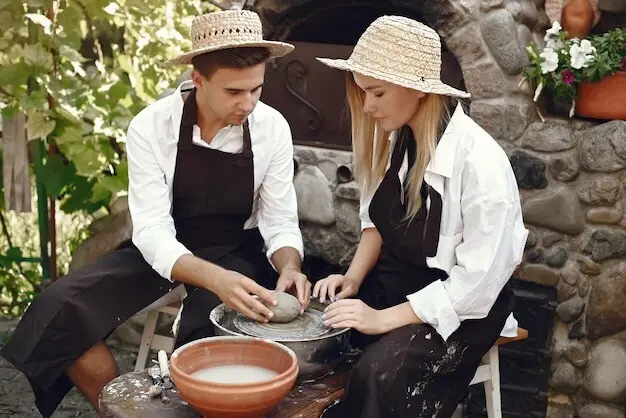
Natural Oils, Waxes, and Casein Paint
Food-safe linseed and walnut oils nourish fibers deeply, while beeswax polishes to a low, dry sheen that resists smudges. Casein paint, mixed from milk protein and lime, leaves breathable color that ages politely. All finishes prioritize repair: a light scuff, a fresh coat, and another chapter begins without solvents.

Chip Carving, Rosettes, and Edelweiss
Kerf-deep triangles and rosettes cast tiny constellations across lids and panels, echoing snowflakes and starry valleys. Edelweiss motifs nod to upland meadows without shouting nostalgia. Pattern planning matters: anchor around edges, leave resting fields, and let light sharpen lines. The result is restrained ornament carrying memory rather than demand.

Keeping Traditions Alive in a Modern Home
Tradition thrives when adapted, measured, and shared. Makers weigh impact with simple metrics, planning for repair, disassembly, and eventual composting or reuse. Community workshops, small mills, and friendly kitchens become classrooms. By cooking, sitting, and telling stories with these objects, households keep craft alive as quietly as fire keeps warmth.
All Rights Reserved.