Wild Color in the High Country

Step into a world where mountains lend their own palette. We explore “From Foraging to Dyeing: Natural Pigments in Alpine Textiles,” tracing how hikers, herders, and weavers gather lichens, barks, and blooms, transform them in careful vats, and weave resilient yarns. Expect practical guidance, field notes, and stories that smell like juniper smoke.

Sourcing Color at Altitude

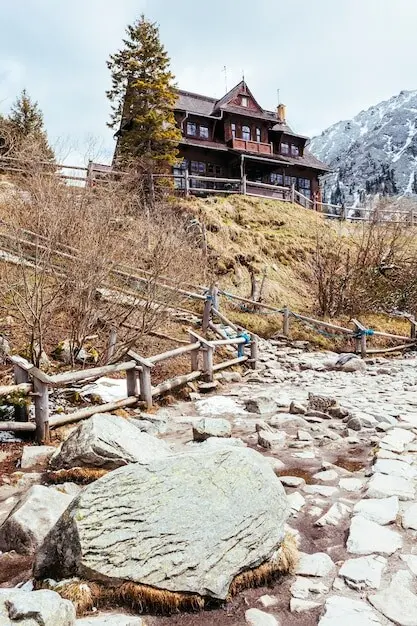
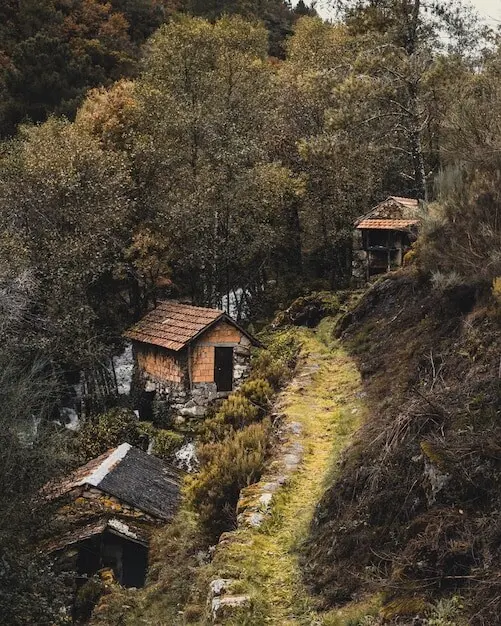
Above treeline, color hides in plain sight: crustose lichens whisper violet promises, dwarf willows hold honeyed tannins, and iron-kissed rivulets suggest modifiers that deepen tone. Here we chart habitats, permissions, and safety, showing how attention and restraint transform a casual ramble into responsible abundance. Carry a loupe, a breathable bag, and humility; enduring textiles begin with noticing what the wind and stone are quietly offering.

Ethical Foraging and Seasonal Clues

Alpine ecologies recover slowly, so every handful matters. We practice the one-in-five principle, harvest only abundant windfall, and avoid collecting after drought or during critical nesting windows. Local regulations and land steward guidance come first. Lightweight maps, phenology notes, and clear labels prevent confusion later at the vat. Share your code of care; collective discipline keeps these living color libraries thriving.

Preparing Fiber for Lasting Hues

Color loyalty begins before the pot warms. Scouring removes spinning oils and barn dust without felting delicate crimps. Then come mordants—alum with cream of tartar grants brightness, while iron darkens and saddens with restraint. Water softness at altitude often helps, but pH still steers outcomes. Prepare small skeins, note weights, and build rituals that honor both fiber and place.

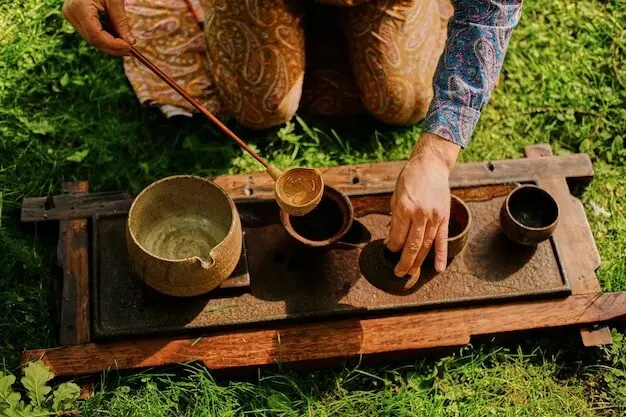
Gentle Heat for Petal Yellows

Delicate plant parts yield best below a simmer. Hold 70–80°C, stir like you’re whispering, and give the bath time to breathe color into pre-wetted skeins. Lift, cool, and re-submerge for layered golds. Sudden boils shock fibers, mute brightness, and waste the quiet generosity of alpine plants.

Fermenting Lichens Safely

Historic dyers used stale urine; today many choose household ammonia, outdoor spaces, and patience. Chop windfall lichens, submerge, seal loosely, and stir weekly. Purple blooms over weeks, yet ventilation and gloves are essential. Respect neighbors, label clearly, and remember orchil’s romance exceeds its lightfastness; reserve for accents with storied intent.

Iron Modifiers, Gently Applied

Iron deepens color but can embrittle wool. Keep modifiers weak, dip briefly, and rinse promptly. Prepare with vinegar and well-rinsed steel scraps, never direct river additions. Test on snips first; note minutes, temperature, and mood shifts. A whisper of gray-green can turn cheerful yellow into sophisticated moss.

Testing, Fastness, and Documentation

Trust comes from trials. Build lightfast ladders on windowsills, pairing protected halves with exposed swatches. Wash-test siblings in basins that mimic your life. Note WOF, temperatures, pH, mordant paths, and water source. Orchil may fade, tannin browns endure, and willow golds surprise. Share your findings; a community archive lifts every dyer higher than any summit.

Motifs of Ridge and River

Translate contour lines into twills, echo talus fields with small-point overshot, or braid river braids through leno windows. Alternate saturated mountain dusk with pale fog picks. As motifs emerge, jot place names on project cards. Woven memory becomes map, guiding hands back to berry patches and sheltering ledges.

Texture That Catches Light

Natural color glows when texture plays along. Mix lofty singles with tighter plied companions, try honeycomb or waffle to sculpt shadows, and finish with a long warm wash for bloom. Photograph outdoors; dawn and late afternoon flattering angles teach which structures make alpine pigments sing.

Care, Patina, and Lifespan

Longevity is a partnership. Gentle soap, tepid baths, and shade drying preserve hand and hue. Mend early with matching yarns; celebrate pale shifts as patina, not loss. Label garments with origin notes. When threads finally thin, unweave salvageable lengths and let new projects inherit the mountain’s color.
Zeralaxisanolivosira
Privacy Overview

This website uses cookies so that we can provide you with the best user experience possible. Cookie information is stored in your browser and performs functions such as recognising you when you return to our website and helping our team to understand which sections of the website you find most interesting and useful.