
From Mountain Wool to Wardrobe: An Alpine Promise of Kindness
High Pastures, Gentle Herding
Transhumance that nourishes land and lives
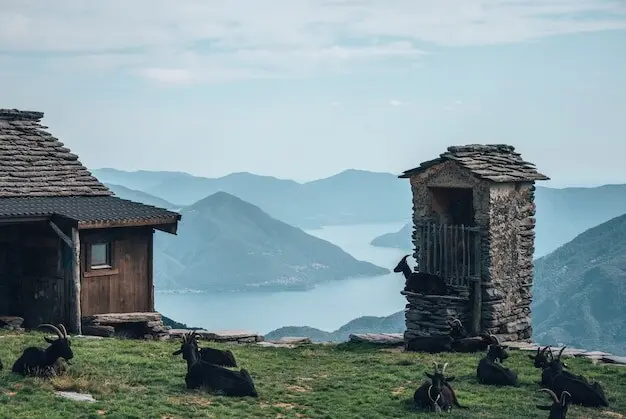
Seasonal movement between valley barns and summer pastures spreads grazing, lets grasses set seed, and limits overuse near springs. The practice supports pollinators, cushions drought risk, and protects avalanche slopes. Families keep knowledge alive through shared routes, communal huts, and agreements that respectfully balance forage, predator presence, and unpredictable mountain weather while sustaining culture and biodiversity for the next generation.
Low-stress handling in every step
Calm herding relies on steady posture, quiet voices, and well-trained dogs that arc rather than chase. Animals learn predictable routines, reducing cortisol spikes that disrupt immunity and fiber growth. Budgets include time for slow movement, shade breaks, hoof checks, and lamb-ewe reunions. This patient rhythm safeguards welfare, minimizes injury, and yields fleeces grown under trust rather than tension or fear.
From Fleece to Fiber: Responsible Shearing and Sorting
Timing, tools, and tender touch
Shearing happens between late spring and early summer, ahead of alpine heat and fly pressure. Combs are kept sharp to avoid tugging; hands stabilize joints without twisting. Local mountain breeds suited to cool, dry air do not require mulesing, and considerate crutching keeps fleece clean while respecting anatomy. Short sessions, rest breaks, and attentive crews maintain comfort and safety for everyone involved.
Skirting and classing with clarity
Experienced hands remove vegetable matter, stained tips, and belly wool before fleeces are rolled. Classers grade by micron, staple length, crimp consistency, and strength, separating woolen and worsted potential. Each bale receives farm, pasture, and shearing date, enabling mills and wearers to trace quality back to caring choices. Clear labeling rewards diligence, prevents surprises, and keeps value fairly distributed.
Clean scouring, cleaner streams
Scouring lines use temperature-controlled baths, biodegradable detergents, and grease recovery that becomes farm soap or boiler fuel. Closed-loop systems filter lanolin, capture solids for compost, and return clarified water to municipal standards. Sampling verifies effluent targets, while energy meters keep kilowatt-hours per kilogram of clean fiber steadily declining. Cleaner processes protect rivers, salmonids, and downstream communities while preserving wool’s natural character.
Woolen versus worsted, purposefully chosen
Woolen spinning keeps fibers jumbled, trapping air that insulates hats and blankets with remarkable lightness. Worsted spinning aligns and stretches long staples for sheen, stitch definition, and pilling resistance. Designers pick pathways by end use, not passing whims, ensuring comfort, durability, and resource efficiency across seasons of wear and repair rather than one-season novelty.
Mills powered by mountains
Small hydropower supplements regional grids, pairing turbines with fish passages and seasonal flow safeguards. Warm rinse water preheats incoming baths, while variable-speed motors match load to demand. Maintained bearings and sensors prevent downtime, reducing waste cones and overtime, leaving night skies darker, rivers clearer, and nearby towns prouder of honest local industry and living heritage.
Testing that honors real life
Samples face tensile pulls, abrasion drums, and wash cycles that mimic backpacks, chair backs, and drizzle. Micron profiles, coefficient of variation, and staple maps guide blending, preventing itch and breakage. Technicians keep logs transparent; when results dip, runs pause, corrections follow, and learning strengthens both yarn and accountability across future batches and collaborative decisions.
Natural Dyes and Alpine Color Stories

Silhouettes that sidestep the churn
Construction that invites repair
Care that respects fiber and river
Traceability, Certification, and Community
Stories from the Slope
Dawn on the ridge: a shepherd’s note
The mill’s hum and the river’s pull
Your Part in the Journey
Questions that open doors
Start with where and when sheep were shorn, how water is cleaned, and which mills power their lines. Listen for specifics, not slogans. Makers who care will welcome curiosity, and your respectful persistence strengthens cultures that choose transparency even when answers take time, translation, or extra testing to provide.
Share the miles you walk
Start with where and when sheep were shorn, how water is cleaned, and which mills power their lines. Listen for specifics, not slogans. Makers who care will welcome curiosity, and your respectful persistence strengthens cultures that choose transparency even when answers take time, translation, or extra testing to provide.
Join the circle, stitch by stitch
Start with where and when sheep were shorn, how water is cleaned, and which mills power their lines. Listen for specifics, not slogans. Makers who care will welcome curiosity, and your respectful persistence strengthens cultures that choose transparency even when answers take time, translation, or extra testing to provide.
All Rights Reserved.